
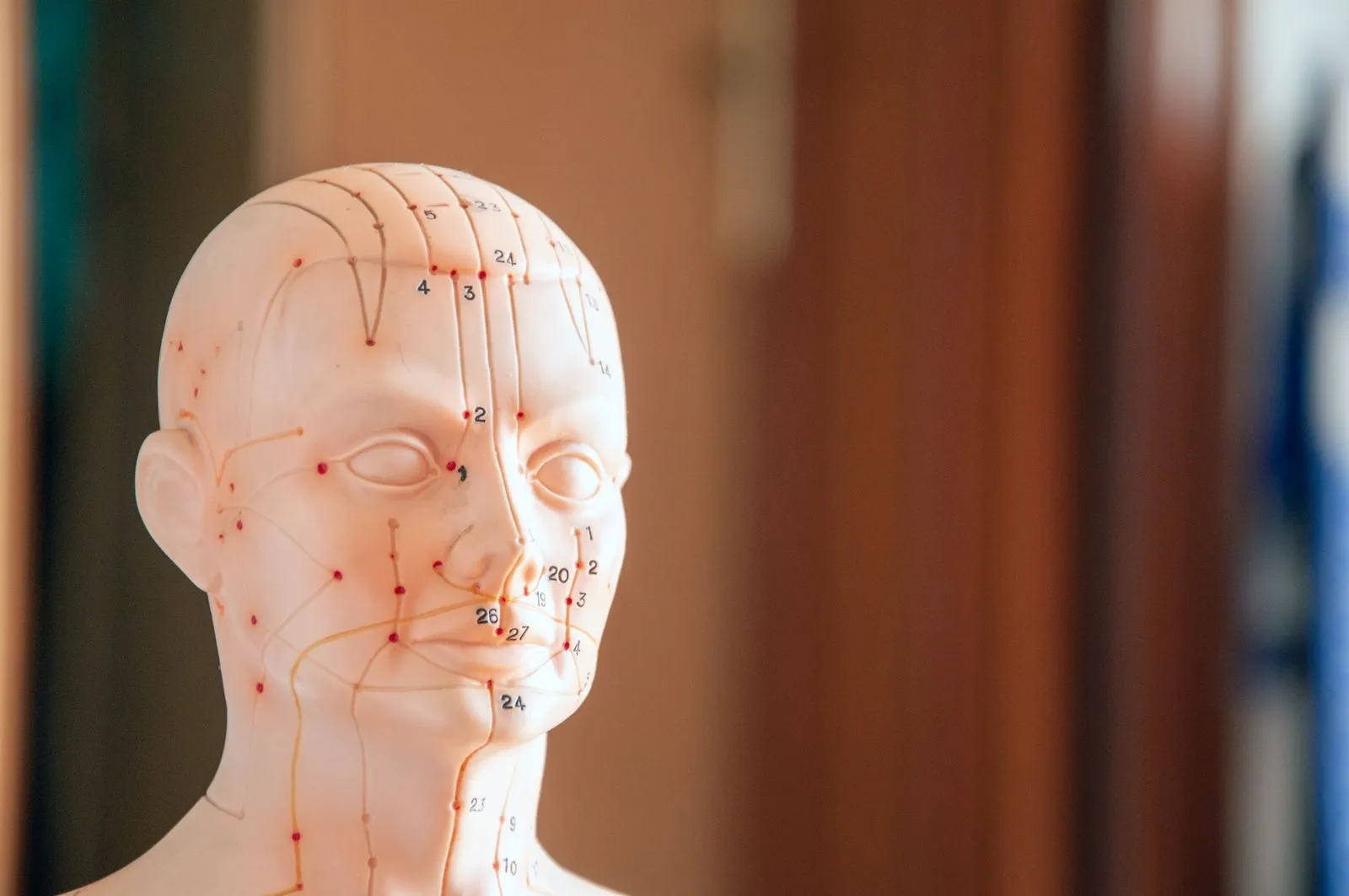
Menstrual cramps can affect sleep, work, exercise, and daily comfort. Acupuncture is one option some people consider alongside medical care and practical self-care. It involves placing very thin needles at specific points, and treatment plans vary by person. It is not a guaranteed fix or a substitute for evaluation when pain is severe or changing. Knowing what acupuncture may offer, how to prepare, and what else can help makes it easier to decide whether it belongs in your care plan.
How Acupuncture May Help
Acupuncture may help some people manage menstrual pain and related tension, though individual responses differ. Researchers continue to study how it may affect the body’s pain processing and other systems. Evidence does not mean that every person will get relief, or that acupuncture addresses the cause of cramps. A licensed practitioner can explain the limits of treatment and help you set realistic goals, such as tracking pain changes over several cycles.
Cramps can have different causes. Period pain that starts around menstruation may occur without another diagnosed condition, while conditions such as endometriosis or fibroids can also cause pain. Acupuncture may be considered for symptom support, but it should not delay assessment of persistent or worsening symptoms. If you already have a diagnosis, ask your medical provider how acupuncture might fit alongside your current treatment.
What a Visit Can Involve
At an initial appointment, expect questions about your cycle, pain pattern, health history, medications, and goals. Share when cramps begin, how long they last, what makes them better or worse, and whether you experience heavy bleeding or pain outside your period. You can ask about the practitioner’s training, needle safety, expected visit frequency, possible side effects, and how you will evaluate whether treatment is helping.
During treatment, a practitioner places fine, sterile, single-use needles at selected points. You may feel a brief pinch, mild pressure, or little sensation. Some people feel relaxed; others notice temporary soreness, bruising, or lightheadedness. Tell the practitioner if you feel uncomfortable at any point. Mention pregnancy, bleeding concerns, allergies, and any fear of needles before treatment so the plan can be adjusted or another option considered.
Build a Broader Care Plan
Acupuncture works best as one possible part of a plan tailored to your health. Depending on your situation, a clinician may discuss anti-inflammatory medicines, hormonal options, or evaluation for an underlying condition. Ask a medical provider or pharmacist whether medicines are appropriate for you, especially if you have other health conditions, take prescriptions, or may be pregnant. Do not stop or change prescribed treatment based only on an acupuncture visit.
For at-home comfort, try heat on your lower abdomen or back, gentle movement if it feels manageable, and rest when needed. Keeping a simple cycle diary can help identify patterns and show whether an approach is useful. Record pain severity, bleeding, missed activities, medicines, and any acupuncture sessions. Bring those notes to appointments so you and your care team can make decisions based on what is actually changing.
Know When to Seek Care
Make an appointment with a healthcare professional if cramps disrupt daily life, become more intense, begin later in life, or occur between periods. Also seek advice for very heavy bleeding, pain during sex, or difficulty getting relief from usual measures. These symptoms deserve assessment rather than being treated as ordinary period discomfort. A clinician can review your history, consider possible causes, and discuss appropriate next steps.
Get urgent medical attention for sudden severe pelvic pain, fainting, fever, or bleeding that feels alarming, particularly if pregnancy is possible. Acupuncture is not emergency care. If you choose to try it, tell both your medical provider and acupuncturist about the full care plan, and agree on a clear way to monitor symptoms and follow up.
Acupuncture may be worth discussing as one part of menstrual cramp care, alongside medical guidance and practical comfort measures. Track your symptoms, ask questions before treatment, and seek evaluation if pain is severe, persistent, or changing. A qualified women’s health provider can help you choose next steps that fit your needs.